1 hr
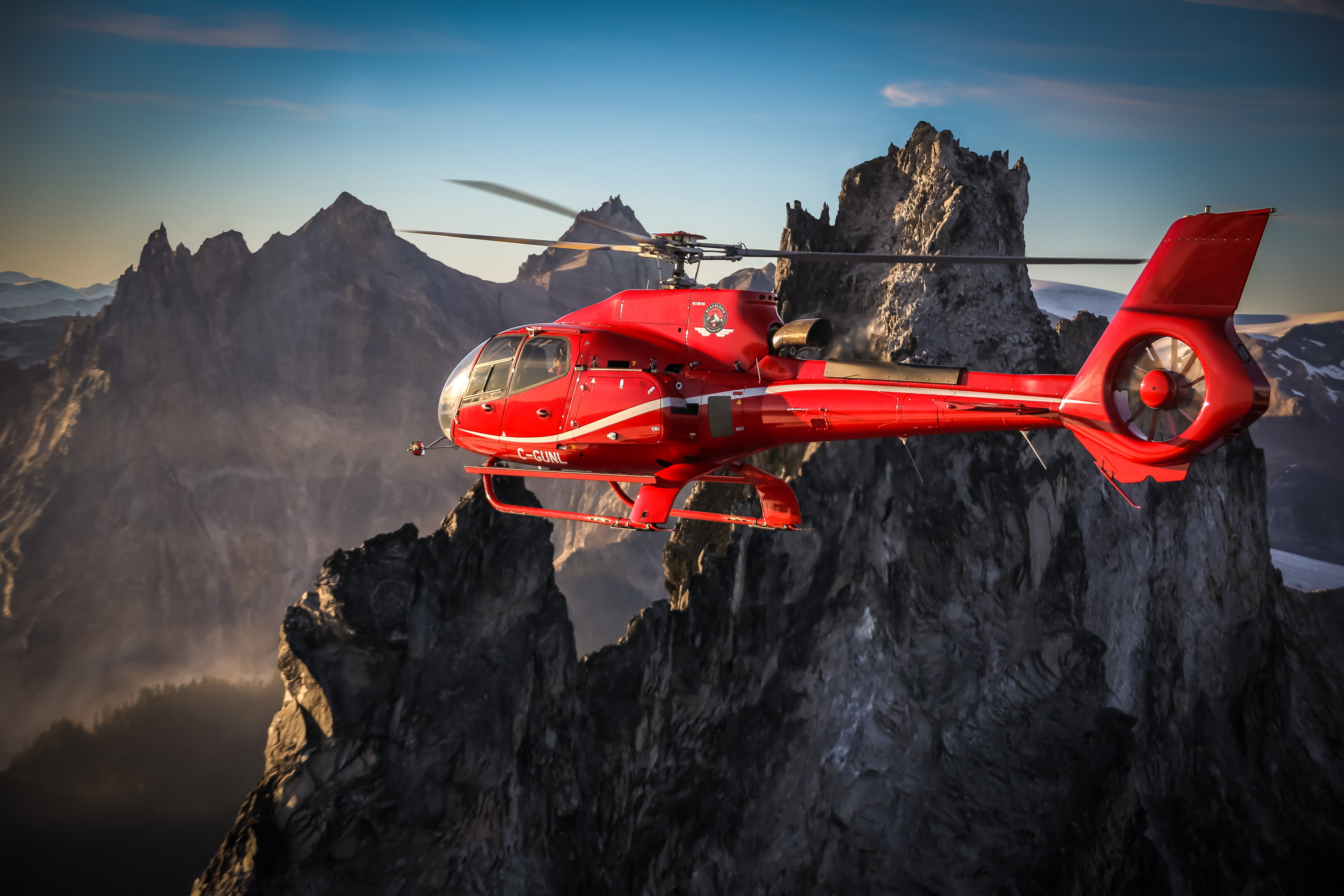
Whistler Glacier Helicopter Tour with Alpine Landing
Soar over ancient ice fields and land atop a remote peak for photos and breathtaking Coast Mountain views
Reserve
Hand-picked by our editors — only the best 5 flights from 40 reviewed.
Verified partners for every tour, free cancellation where available, and instant confirmation on every booking.
1 hr
Soar over ancient ice fields and land atop a remote peak for photos and breathtaking Coast Mountain views
Reserve
30 min
Lift off from Green Lake for a 30-minute aerial adventure over glaciers, alpine lakes, and volcanic peaks.
Reserve
29 min
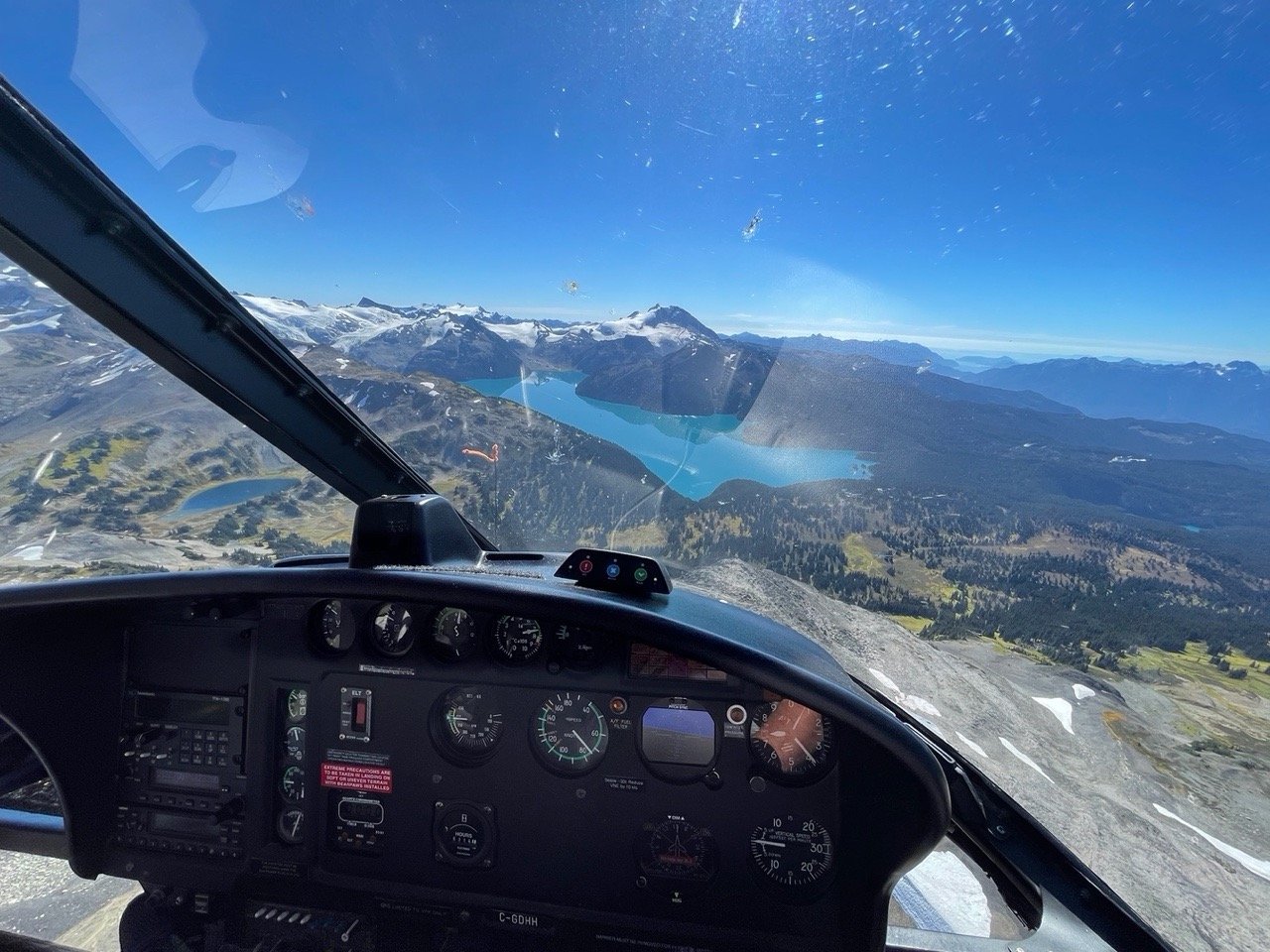
Soar above Whistler's peaks and witness turquoise alpine lakes, glacial valleys, and the Garibaldi Range from 8,000 feet.
ReservePrices from verified partners. Availability updates in real time at checkout. Free cancellation policies apply where shown.
The landmarks, rooms, and views travelers on this tour remember — all visible on a single visit.
A turquoise alpine lake set against jagged volcanic peaks and glaciers.
A distinct flat-topped peak visible during many flight paths.
A prominent ice formation within the park boundaries.
The park's namesake peak standing at over 2600 meters.
A scenic mountain pass often traversed by flight routes.
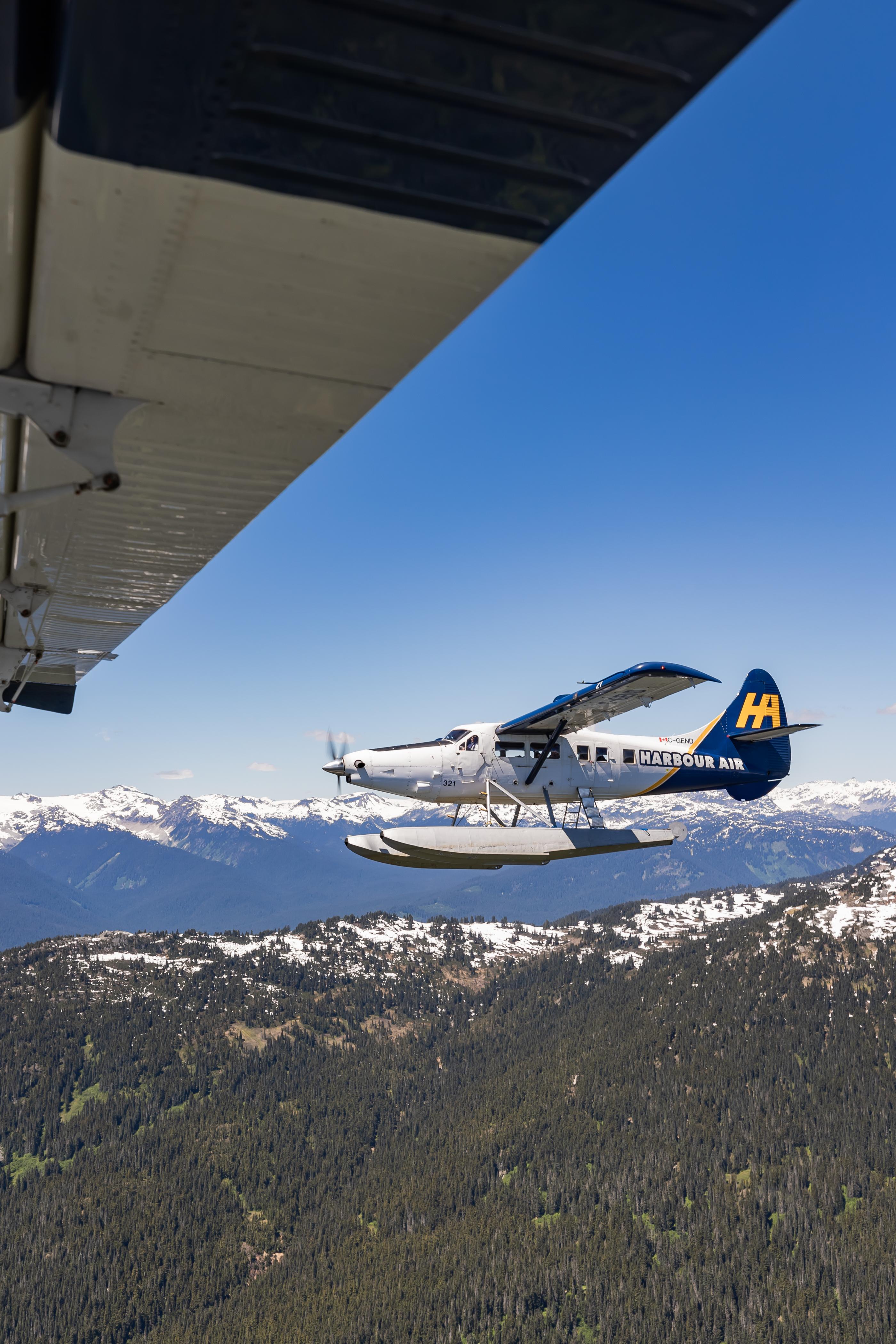
They complement each other, but most visitors who do both call the heli-tour more thrilling due to its precise mountain access. While both offer unique views of Whistler landmarks, the helicopter provides a concentrated alpine experience compared to the wider, lake-to-lake journey of a floatplane.
| Feature | Top pick Whistler Glacier Helicopter Tour | Whistler Seaplane Flight |
|---|---|---|
Alpine Landing Capability |
Yes (remote glacier landings) | No (water takeoff/landing only) |
Flight Altitude |
Lower (agile mountain hovering) | Higher (standard cruising altitude) |
Noise Levels |
High (rotary wing engine) | Moderate (fixed-wing engine) |
Takeoff/Landing Surface |
Helipad (concrete/natural) | Water (lake/inlet) |
View Scope |
Focused (crags and peaks) | Panoramic (wide regional horizons) |
Proximity to Glaciers |
Very High (direct touch-down) | Moderate (fly-over observation) |
| See tickets → |
Verdict: Choose the whistler glacier helicopter tour tours if you desire summit-level access, or opt for the whistler glacier helicopter tour tour if you prefer the smooth, expansive perspective of a seaplane, though note that whistler glacier helicopter tour tickets are typically required in advance for both.
Choose your ticket, select your date, and reserve in under two minutes. Secure checkout handled by our verified partner.
Instant confirmation by email, with a mobile voucher you can save offline. No printing, no queuing at a collection desk.
Arrive at the entrance, show your voucher on your phone, and walk in. Most tickets include priority or skip-the-line access.
Practical details for your visit straight from our verified partners — hours, access, rules, and how to get there.
Whistler, BC
Confirm specific hangar location with operator
Follow Highway 99 to the designated heliport location
Request transport from Whistler Village
Wear warm, layered clothing and sturdy, closed-toe footwear suitable for snow or uneven alpine terrain. Even in summer, glacier temperatures remain significantly lower than in the Whistler valley.
Strict weight limits apply to all passengers and gear for safety. Security checks may be conducted at the heliport before boarding your whistler glacier helicopter tour.
Photography is permitted and encouraged during your flight and at the landing site. Ensure all equipment is secured and do not use flash near the helicopter pilots.
Access depends on the specific heliport and landing zone conditions. Please disclose mobility requirements when booking your whistler glacier helicopter tour tickets.
Mobile devices must be set to airplane mode or turned off during flight. They are useful for capturing images during the glacier landing.
Children must be accompanied by an adult, and some operators have minimum age or weight requirements. Secure all child safety restraints before the flight begins.
Consumption of food and beverages is generally not permitted inside the helicopter. Carry water in a reusable bottle for the alpine environment.
Pets are not permitted on helicopter flights. Service animals must be cleared with the operator in advance.
Helicopter flight paths are subject to change based on wind and cloud cover. Always follow pilot instructions during your whistler glacier helicopter tour.
Best time to go, insider tips, nearby landmarks, and the cancellation fine print — flip through to skim what matters to you.
How crowds, weather, and events shift across the year.
Clear skies provide the best views of the glaciers.
Crisp air and potential early snow cover.
Extended daylight hours for flight bookings.
Deep snowpack and unique alpine vistas.
Small details that turn a good visit into a great one.
Reserve your whistler glacier helicopter tour early in your trip to allow for weather-related rescheduling.
Temperatures drop significantly on the ice, so bring extra insulation.
Provide accurate body weight when booking to comply with aircraft safety mandates.
Alpine sun reflection is intense, so wear polarized sunglasses.
Follow all safety briefings regarding approach and departure from the helicopter.
Non-bookable sights within a short walk — free to visit, easy to pair.
Popular hiking area with turquoise waters
Iconic peak visible during flight tours
Dramatic waterfall located near the highway
Flexible, no hidden fees.
Cancellations must be made within the operator-specified window to qualify for a refund. Weather-related cancellations typically result in a full refund or rebooking.
Hand-picked options within walking distance — pick a district for vibe, or a specific hotel for convenience.
Full-service resort in Whistler village
Central lodging for mountain adventurers
Affordable base for regional exploration
The ice that a whistler glacier helicopter tour passes over is not a remnant of the last ice age but a survivor of it — the Garibaldi Névé and its outflow glaciers have been retreating measurably since surveyors first mapped them in the 1920s, and several have lost more than a third of their surface area within a single human lifetime. Garibaldi Provincial Park was established in 1927, one of British Columbia's earliest protected areas, covering roughly 1,950 square kilometres of the Coast Mountains between Squamish and Pemberton. Its defining features are volcanic. Mount Garibaldi, a stratovolcano rising to 2,678 metres, erupted against the flank of a retreating Cordilleran ice sheet roughly 13,000 years ago; when the ice withdrew, its western slope collapsed, leaving the unstable scarp still visible from the air. Black Tusk, the park's most photographed silhouette, is the eroded core of an older volcano, its andesite spire standing 2,319 metres above sea level and stripped by glaciation to bare rock. Water records the same history. Garibaldi Lake holds its extraordinary turquoise because meltwater carries suspended rock flour — glacial silt ground fine enough to scatter light — and it is dammed by The Barrier, a 300-metre lava wall that failed catastrophically in 1855 and buried the valley floor below in boulders. From above, the relationship between lava dam, lake and outflow reads in a single glance, which is why aerial routes across the Sea to Sky Corridor have become a standard way to understand the geology rather than merely admire it. Aviation arrived in this landscape as working infrastructure. Helicopters served logging blocks, mineral claims and mountain rescue in the corridor for decades before scenic flying became commercial, and pilots on a Whistler glacier flight tour still navigate by the same ridgelines and drainages. Landing zones on the ice are selected for crevasse-free firn and stable approach lines, not for scenery alone. Wedge Mountain, at 2,892 metres the highest peak in the Garibaldi Ranges, anchors the northern circuits; the Spearhead Traverse, a horseshoe of glaciers linking Blackcomb to Whistler Mountain, anchors the southern ones. That combination — volcanic architecture, active glaciation, and a park boundary drawn a century ago — is what gives the modern whistler glacier helicopter tour its subject matter. Entry to the park itself is free, at 0 CAD, and the terrain visible from a cabin door is otherwise reachable only after two days of walking. The mountains keep their own timetable. The flights simply borrow an hour of it.

"Garibaldi Lake holds its turquoise because meltwater carries rock flour ground fine enough to scatter light."
A step-by-step walkthrough of the visit — what you'll see, how long each stage takes, and the details that matter.
You arrive at Garibaldi Provincial Park, Whistler, BC, Canada between 07:00 and 10:00, when the air is coldest and the cloud base sits highest — the window that decides whether a whistler glacier helicopter tour flies as scheduled or waits. You weigh in. Someone writes your number on a manifest, because rotor aircraft balance to the kilogram. You walk to the pad in a crouch you have seen in films and now perform badly. The headset seals. The intercom crackles, the turbine spools, and the valley floor drops away faster than you expect. Within four minutes the second-growth forest thins into rock. You watch Black Tusk swing past the left window, its spire blunt and black against snow. The pilot names ridges you will not remember. You press your palm to the glass over Garibaldi Lake, which is a colour photographs consistently fail. Then the skids touch firn. You step out onto a glacier — the crunch underfoot is compacted snow, not ice — and the silence arrives all at once, thicker than the noise it replaced. You take twelve steps and stop, because the pilot has marked a boundary and meltwater channels run blue beneath it. Bring sunglasses; the glare off the snowfield is punishing. Then you climb back in, and the mountains close behind you.
Helicopter operators in the area typically follow the park's accessibility hours of 00:00–23:59.
Entrance to Garibaldi Provincial Park is 0 CAD, though specific day-use passes may be required for trailheads.
Wear warm, layered clothing and arrive between 07:00–10:00 for the best flight visibility.
Yes, operators have strict weight limits for every passenger for flight safety.
The best time is 07:00–10:00 to avoid afternoon clouds that often obscure alpine views.
Yes, children are usually welcome if accompanied by an adult, subject to specific operator age policies.
Flights are weather-dependent; most operators offer a full refund or rescheduling options.
Age restrictions vary by company, so check specific policies before booking your whistler glacier helicopter tour.
Bookings are made directly through official operator sites to secure your whistler glacier helicopter tour tickets.